Recall letter but no parts yet: what the interim notice means and what to do
One in four Ford and Toyota recalls filed in 2026 went out before the repair existed. What the first letter means, how long the wait has run, and what to do meanwhile.

The short answer
A recall letter that says the repair is not available yet is still a real recall about a real risk. What it means is that no dealer can fix the car until the parts or the software reach them. Keep the letter, do what it says to do in the meantime, check your VIN at nhtsa.gov/recalls, and wait for a second letter.
That wait is common. Of the 73 recall campaigns filed with NHTSA so far in 2026 that name a Ford or Toyota model covered on this site, 19 went out before the remedy existed. For most of those, the manufacturer's own forecast puts the fix six months or more after the filing.
What an interim letter is
Federal rules set the order of events. A manufacturer that decides a vehicle has a safety defect files a defect report with NHTSA, known as the Part 573 report. It must then notify owners no later than 60 days after that filing. If the remedy is not ready by then, the manufacturer still has to write: owners get an interim notice that describes the defect and the risk, and a second notice once the remedy is available (49 CFR § 577.7).
So a letter that says parts are not available is not a clerical error. It is the first of two letters the rule requires. NHTSA's public record for these recalls usually says so in one sentence: interim letters notifying owners of the safety risk were mailed on a given date, and additional letters will be sent once the remedy is available.
Two numbers appear on most letters. The NHTSA campaign number, such as 26V689, is the one the federal VIN lookup and this site use. The manufacturer's number, such as Ford's 26S78 or Toyota's 26TB24, is the one a dealer's system uses. When you search for news about your recall, search for both.
How long the wait has run in 2026
We read the NHTSA record for each of the 73 campaigns, received by NHTSA between January 1 and October 20, 2026. The 19 that went out with interim letters cover about 3.03 million of the 14.7 million vehicles in those campaigns. The split is uneven: 17 of the 53 Ford and Lincoln campaigns were filed before the remedy was ready, against 2 of the 20 Toyota and Lexus campaigns.
Fifteen of the 19 records give a month when the manufacturer expects the remedy. The gap between NHTSA receiving the report and that month runs from 2 months to 14, and the middle value is 6 months. Ten of the fifteen forecast six months or longer. The other four records give no date at all.
Those months are the manufacturer's forecasts at the time of filing, not delivery dates, and a forecast can slip. Read the month on your letter as the earliest you are likely to hear more, not as an appointment.
Three current examples
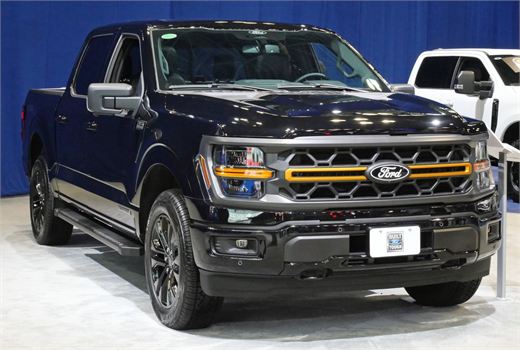
- Ford 26V689 (26S78): left-side tailgate cable. 30,123 2026–2027 F-150 and 2026 Super Duty trucks. Interim letters are expected December 14, 2026, and the VINs become searchable on NHTSA.gov from December 7. A new cable is anticipated in January 2027.
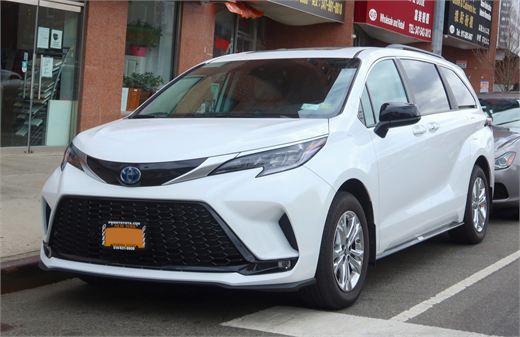
- Toyota 26V690 (26TB24, 26TA24): second-row seatback. 228,367 2022–2026 Sienna Hybrids. Letters go out in a phased mailing from December 7 to 21, 2026. Most vans get a software update and about 200 get new seatbacks; Toyota's October 29 dealer notice listed the remedy as not yet available.
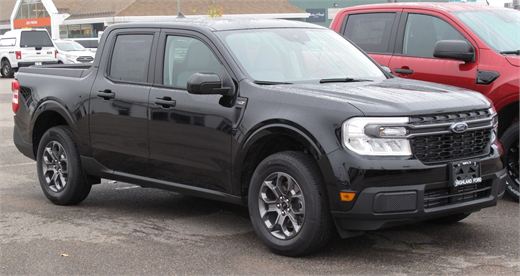
- Ford 24V684 (24S59): Maverick rear camera. 273,701 2022–2024 Mavericks. Owner letters were mailed March 21, 2025, for a radio software update. NHTSA opened recall query RQ26004 on October 23, 2026.
The first two are at the start of the wait. The F-150 record is unusually specific: it gives the date of the interim letter, the month the remedy is expected and the date the VINs will appear in NHTSA's lookup. Until December 7, a 2026 F-150 owner who runs the lookup will not see this recall even if the truck is included.
The Maverick shows what can happen after the wait. The remedy arrived and was installed, and NHTSA has since received five owner reports of a frozen rear-view camera image after the repair. Its recall query asks whether the fix works. A second letter is not always the end of the story, which is why it is worth keeping every invoice.
What owners report while waiting
NHTSA's complaint file records what owners say happened. Each of these is an unverified account:
- 2023 Maverick, March 4, 2025 (ODI 11646334). The owner received the 24V684 notice, but the part for the repair was unavailable. While reversing out of the driveway, the camera failed to display an image.
- 2023 Maverick, March 6, 2025 (ODI 11646813). The owner received the same notice; the part was not yet available.
- 2022 Maverick, March 28, 2025 (ODI 11651287). The owner had two open recalls, 24V684 and 25V019, and parts for neither were available. The dealer and Ford had been contacted.
- 2025 Sienna Hybrid, October 23, 2026 (ODI 11773275). Three days after NHTSA received the recall report, the owner said they had been notified of Toyota's 26TB24, but the part was not yet available. The dealer and Toyota had been contacted.
These are not rare. In our guide to checking for an open recall, we counted about 1,500 Ford and Toyota complaints filed from 2024 to 2026 that mention a recall together with parts or a remedy not being available.
What you can ask for
- A free repair, when it exists. Safety recall repairs are free at any authorized dealer for the brand, whether or not you bought the car there or service it there.
- Clear interim instructions. The interim letter says what to do until the repair: avoid a function, park outside, or in the worst cases not drive the car. For the Sienna seatback recall, Toyota recommends keeping the second-row seats empty while driving until the repair is done. Follow the letter, and if it tells you not to drive, ask the dealer and the manufacturer how the car will get to the dealer.
- A loaner or rental. This varies by recall and is not guaranteed. Toyota's dealer notice for 26V690 lists an interim rental option and tells dealers how to claim it. Ask the dealer, then the customer line printed on the letter, and write down the case number you are given.
- A place in line. Ask the dealer to record your VIN for the parts when they arrive, so you are called rather than left to call back.
- Your money back, if you already paid. Recall letters explain whether and how you can be reimbursed for a repair of the same defect that you paid for before the recall. Keep the receipt.
- The second letter. It goes to the registered owner, so keep the address on your registration current. Run the VIN lookup again every month or two in the meantime.
If the remedy is available and a dealer will not do the work, call the manufacturer's customer line, then file a complaint with NHTSA at nhtsa.gov/report-a-safety-problem.
What this page cannot tell you
We cannot tell you when the parts will reach your dealer. No federal record gives a date for an individual vehicle, and the months quoted above are the manufacturers' forecasts as filed. Owner complaints are unverified accounts and do not show how often a repair is delayed. Our count of 73 campaigns covers recalls received by NHTSA from January 1 to October 20, 2026 that name a Ford or Toyota model covered on this site; some of them also cover Lincoln or Lexus models, and their vehicle totals are counted whole. Whether a particular car is affected depends on its VIN.
The vehicles this covers
Ford F150 2026
Ford Maverick 2022 2023 2024
Toyota Sienna 2022 2023 2024 2025 2026
Sources
This piece reads recall, complaints, investigation, 49 CFR 577.7 owner notification rule, NHTSA recall records for 73 Ford and Toyota campaigns filed in 2026, Toyota dealer notice 26TB24 / 26TA24, NHTSA RQ26004 opening resume. How every figure on this site is counted is set out on the methodology page. Whether a particular car is affected by a recall depends on its VIN.
More Ford coverage
 2022–2026 Toyota Sienna seatback recall: who gets which fixRecalls | 7 days ago
 2026–2027 Ford F-150 tailgate cable recall: 18,412 trucksRecalls | 11 days ago
 2022–2024 Ford Maverick camera recall fix under NHTSA reviewInvestigations | 14 days ago
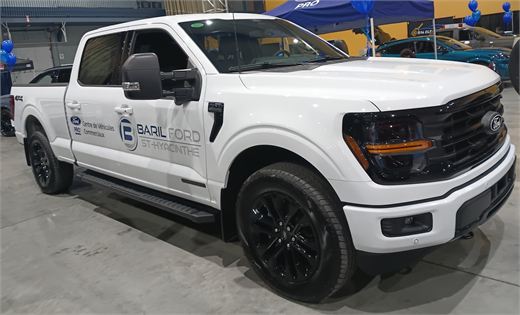 2026 Ford F-150 speedometer recall: 10,570 trucks affectedRecalls | 16 days ago